Can Dry Cleaning Remove Stains From Clothes?
Can dry cleaning remove stains from clothes? Discover which stains usually respond well, why some marks are harder to remove, and what to do before sending a garment for professional cleaning.
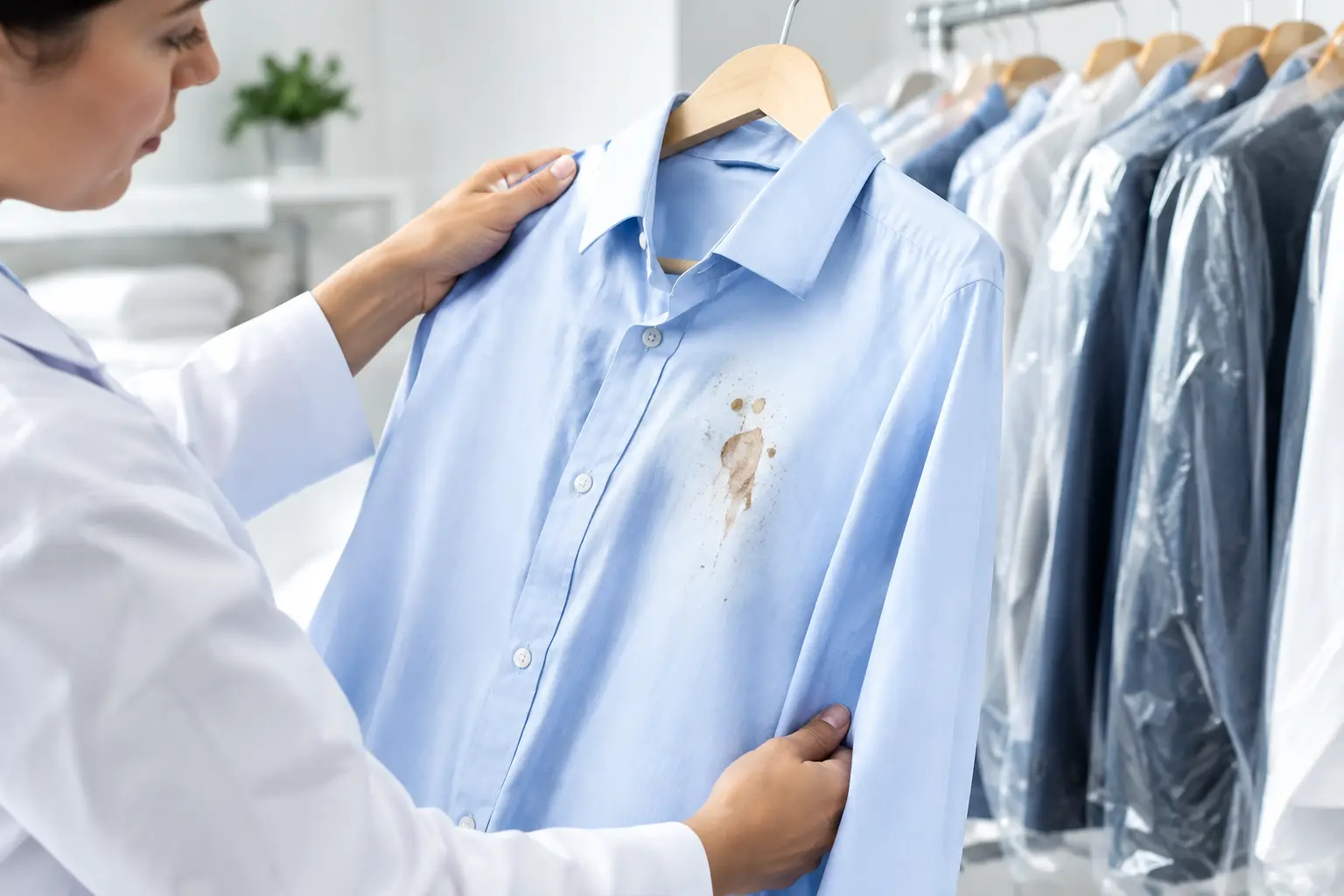
A coffee splash on a work shirt, oil on a favourite jumper or red wine on a dress can make an otherwise good garment feel instantly unwearable. But can dry cleaning remove stains? Often, yes - especially when the mark is treated promptly and the item is handled by a professional. Still, no cleaning method can promise to remove every stain completely, and the type of fabric matters just as much as the spill itself.
Dry cleaning is particularly useful for garments that cannot simply be put through a home wash. Think tailored suits, wool coats, silk blouses, delicate dresses and pieces with embellishments. The aim is not only to lift the stain, but to do so while protecting the garment’s shape, colour and finish.
How Can Dry Cleaning Remove Stains?
Despite its name, dry cleaning is not completely dry. Garments are cleaned using specialist liquid solvents rather than a standard water-based wash. These solvents are very effective at dissolving oily and greasy substances that water alone may struggle to shift.
Before an item goes into the cleaning process, a professional cleaner should inspect it and identify visible marks. Many stains are then pre-treated by hand with products chosen for the stain and fabric. That matters because an oil mark, ink mark and food stain do not respond to the same treatment.
The garment is then cleaned, dried and finished carefully. For a tailored jacket or pleated skirt, that finishing stage can be as valuable as the cleaning itself. Professional pressing helps restore a crisp appearance without asking you to spend your evening at the ironing board.
Stains Dry Cleaning Usually Handles Well
Dry cleaning tends to perform well on oil-based and grease-based stains. Salad dressing, butter, make-up, body oils, wax and many sauces are common examples. These marks can cling to fibres and may spread or set further if they are rubbed with water at home.
Make-up on a coat collar, a grease spot on trousers after lunch, or a faint oily mark on a silk top are all situations where professional treatment is often the sensible choice. Dry-cleaning solvents can break down the oily element, while targeted pre-treatment deals with any remaining pigment.
It can also help with some everyday stains on dry-clean-only fabrics, including certain food and drink marks. However, success depends on what caused the stain, how long it has been there and whether anyone has already attempted to remove it.
When Stain Removal Is Less Certain
Some stains are more difficult because they change over time. Red wine, tea, coffee, fruit juice, grass, blood and sweat contain pigments, proteins or tannins that can bind to fabric fibres. Heat, sunlight and delay can make these marks harder to remove.
A stain may also be permanent if it has altered the dye rather than simply sitting on the surface. Bleach splashes, perfume discolouration and some acidic spills can remove or change colour in the fabric itself. Cleaning can improve the overall appearance, but it cannot always restore missing colour.
Older stains are not automatically hopeless, but they need realistic expectations. A cleaner may need to treat the item more than once, and stronger treatment can carry a small risk to delicate fibres or dyes. A careful professional will balance the best chance of stain removal with the need to preserve the garment.
Fabric Makes a Real Difference
The care label is a useful starting point, but it does not tell the whole story. Wool, silk, cashmere, velvet, leather and embellished fabrics each need a different approach. A method that works well on a sturdy polyester dress may be unsuitable for a silk shirt or a wool suit.
For example, rubbing a fresh stain on silk can damage the fibres and leave a lighter patch. Water on some fabrics may cause rings, shrinkage or changes in texture. On a structured jacket, home washing can affect the lining, interfacing and shape even if the stain seems to improve.
This is why dry cleaning is often about more than stain removal. It is a way to care for garments that need a controlled process, professional judgement and gentle finishing.
What to Do Before Sending a Stained Item for Cleaning
The best thing you can do is act calmly and quickly. Blot a fresh liquid spill with a clean white cloth or kitchen roll, working gently rather than rubbing. Rubbing pushes the stain deeper into the fabric and can make a small mark much larger.
Avoid applying random household products, especially washing-up liquid, stain sprays, bleach or hot water. They can set certain stains, strip colour or leave a residue that makes professional treatment more difficult. If you do use a product, tell the cleaner exactly what it was.
When you place your order, make sure the stain is mentioned clearly. A short note such as “red wine on the front of the navy dress” or “oil mark on the left sleeve” gives the cleaning team a useful head start. If the garment has more than one mark, point them all out rather than assuming they will be obvious after collection.
For busy households, it helps to keep stained items separate from the rest of the laundry until they are booked in. That reduces the chance of transfer marks and makes it easier to remember what happened and when.
Why Fast Collection Can Improve the Result
Time is one of the biggest factors in stain removal. The longer a spill remains on a garment, the more opportunity it has to oxidise, dry into the fibres or react with heat and light. Sending an item for cleaning soon after the incident gives it the strongest chance of coming back looking its best.
That does not mean you need to abandon your plans to visit a shop. With a collection and delivery service, you can arrange professional care around your schedule. LaundryZone collects from homes or chosen locations, with orders processed and returned in as little as 24 hours in eligible areas. You select the service, itemise the order and pay online, while your garments are handled with care.
For London commuters, families and renters with limited spare time, this can be far easier than leaving stained clothes in a chair for days and hoping to deal with them later.
Dry Cleaning Versus Laundry for Stains
Dry cleaning is not always the answer. Many machine-washable cottons, linens and everyday synthetics respond very well to professional laundry, particularly for water-based stains such as mud, sweat and some food spills. The right service depends on the garment’s care label, construction and the type of stain.
A good rule is simple: follow the care label, avoid home experiments on delicate items and provide as much information as possible. If a garment is labelled dry clean only, has a structured shape or holds sentimental or financial value, professional assessment is usually worth it.
The Honest Answer on Stain Removal
Dry cleaning can remove many stains, particularly oil, grease and make-up, while keeping delicate clothing in good condition. Yet it is not magic, and anyone promising a guaranteed result before inspecting the garment should be treated with caution. Some marks have already changed the fabric by the time they are noticed, while others need careful repeat treatment.
The practical step is to blot, avoid heat and harsh products, and arrange cleaning as soon as you can. A prompt, clearly labelled order gives your garment the best possible chance of returning clean, fresh and ready to wear again.
Rather not do the laundry at all?
We collect, wash, press and deliver it back to your door.
See our servicesKeep reading

Wedding Dress Cleaning: What to Do After the Day
Learn when to arrange wedding dress cleaning, how to prepare your gown, what to tell the cleaner and how to store it safely after the wedding.

Laundry App: A Simpler Way to Manage Clothes
A laundry app makes garment care easier with online booking, clear itemisation, secure payment and convenient collection and delivery around your schedule.

Professional Garment Cleaning That Saves You Time
Professional garment cleaning helps busy London households care for everyday clothes, workwear and delicate pieces with convenient collection and delivery.