Delicate Clothing Care Methods That Save Your Wardrobe
Learn how to care for delicate clothes including silk, wool, lace and embellished pieces, with practical guidance on washing, stains, drying and storage.
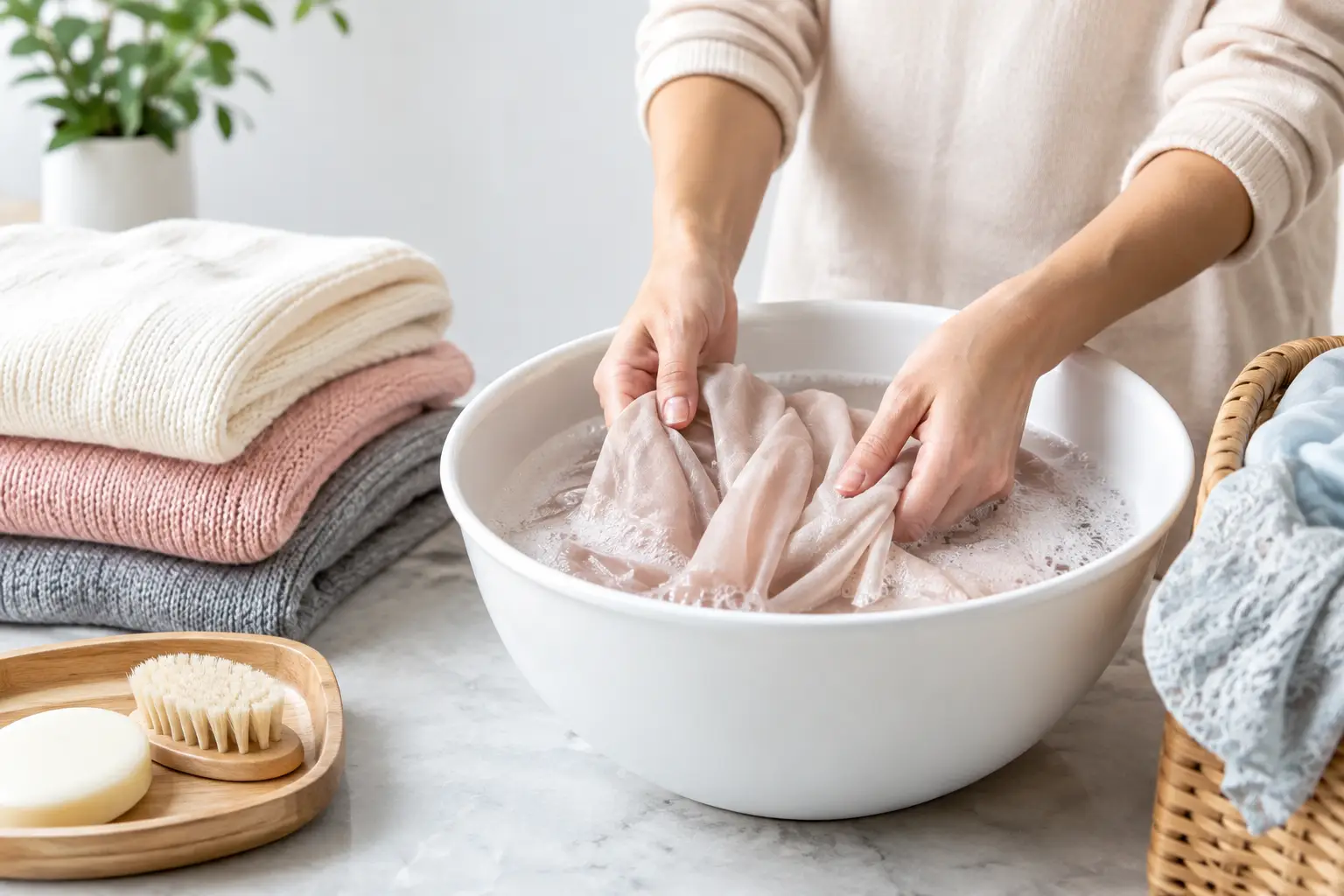
A silk blouse crushed into the bottom of a gym bag, a wool jumper washed on the wrong cycle, a beaded top caught on a zip - delicate clothes rarely need much to lose their shape or finish. The best delicate clothing care methods are not about overcomplicating laundry. They are about spotting risk early, following the care label and choosing professional help when a garment needs more than a quick wash.
For busy London wardrobes, this matters. Delicates are often the pieces you rely on for work, evenings, weddings and warmer holidays: the tailored dress, cashmere knit, favourite shirt or special-occasion outfit. Treating each item according to its fabric and construction helps it look good for longer, while avoiding unnecessary replacements.
Start with the label, not the laundry pile
The care label is the most useful instruction your garment comes with. It tells you whether an item can be washed, whether it needs dry cleaning, the highest suitable wash temperature and whether tumble drying or ironing could cause damage. Check it before you sort clothes, especially with new purchases and items you do not wear often.
A circle on the label indicates professional dry cleaning. A tub symbol means the item may be washed, though the dots and lines underneath still matter. One line beneath a tub generally calls for a gentler cycle; a hand-in-tub symbol means hand washing is advised. A crossed-out tumble dryer symbol is not a suggestion - heat can shrink fibres, distort elastic and weaken delicate trims.
Labels are a starting point rather than a stain-removal promise. Age, existing wear, loose stitching and previous washing can all affect how a garment responds. If a dress has a fragile lining, beading or bonded details, treat it with extra caution even where the label permits washing.
Sort delicate items by more than colour
Colour sorting is useful, but fabric type and garment construction deserve equal attention. A pale silk shirt may not bleed colour, yet it should not share a load with heavy cotton towels. The friction alone can leave pulls, creases and a dull surface.
Keep lightweight and embellished pieces separate from rougher fabrics, denim, items with exposed zips, hooks and Velcro. Fasten closures before washing, turn printed or embellished garments inside out where appropriate, and empty every pocket. These small checks prevent many of the snags that make a once-smart piece look tired.
Mesh wash bags can help protect machine-washable lingerie, hosiery and lightweight tops. They reduce tangling and rubbing, but they do not make every delicate safe for the washing machine. A structured bra, a dress with glued decorations or a finely beaded garment may still need specialist handling.
Give silk, wool and lace different treatment
Silk reacts badly to careless handling. It can water-mark, lose its smooth finish or weaken when twisted wet. If its label allows washing, use a cool, gentle wash with a product suitable for delicate fibres. Do not wring it out. Instead, press excess water away using a clean towel, reshape it and allow it to dry away from direct heat and sunlight.
Wool needs a different approach. Heat, agitation and sudden temperature changes can cause shrinkage or felting. Hand wash or use a wool cycle only when the label permits it, and keep the water temperature consistent. Dry woollen knits flat rather than hanging them, as the weight of water can stretch the shoulders and body out of shape.
Lace is vulnerable to catching and tearing, particularly around fine edges. Support the garment when moving it, avoid strong rubbing and never wash it with anything likely to snag. For lace garments with a fitted structure, such as a formal dress or detailed blouse, professional cleaning is often the lower-risk choice.
Handle stains slowly and carefully
The urge to rub a stain immediately is understandable, but it is one of the quickest ways to damage a delicate fabric. Rubbing can spread the mark, roughen silk and satin, or push a spill deeper into fibres. Blot gently with a clean, light-coloured cloth instead.
Avoid applying random household products, strong stain removers or hot water before checking the label. These can set certain stains or alter the fabric colour. Perfume, make-up, wine and oil-based food marks are particularly worth flagging before cleaning, as are stains that have been sitting for several days.
If you are sending an item for professional care, point out the stain and explain what caused it if you know. That gives the cleaner useful context, although no treatment can guarantee complete stain removal. It is also wise not to iron over a mark, because heat may make it harder to treat.
Know when washing at home is not worth the risk
Some items are suitable for careful home washing. Others are better entrusted to a professional from the start. The decision usually depends on the fabric, the garment's structure and how much you would regret damaging it.
Professional care is often sensible for tailored jackets, pleated skirts, lined dresses, formalwear, coats, leather-trimmed pieces and garments with sequins, beads or delicate embroidery. These designs can contain several materials that respond differently to water, heat and movement. A care label saying dry clean only should be taken seriously, particularly when the item is expensive, sentimental or difficult to replace.
It is also worth considering the practical side. Hand washing, flat drying and careful pressing take space and time - two things many flats do not offer in abundance. A collection-and-delivery service can remove that pressure while helping ensure special items receive appropriate attention.
LaundryZone makes this straightforward for customers in Central London and selected surrounding areas. Choose the service, itemise what needs care and pay online, then arrange collection from home or another suitable location. For eligible orders, a 24-hour turnaround may be available. Check postcode availability and the item details when booking, particularly for special garments.
Dry, press and store with care
Care does not end once the garment is clean. Drying is where many delicates change shape. Keep silk, lace and wool away from radiators, strong sunlight and high tumble-dryer heat unless the label specifically permits it. Give garments enough room for air to circulate, rather than piling damp clothes together.
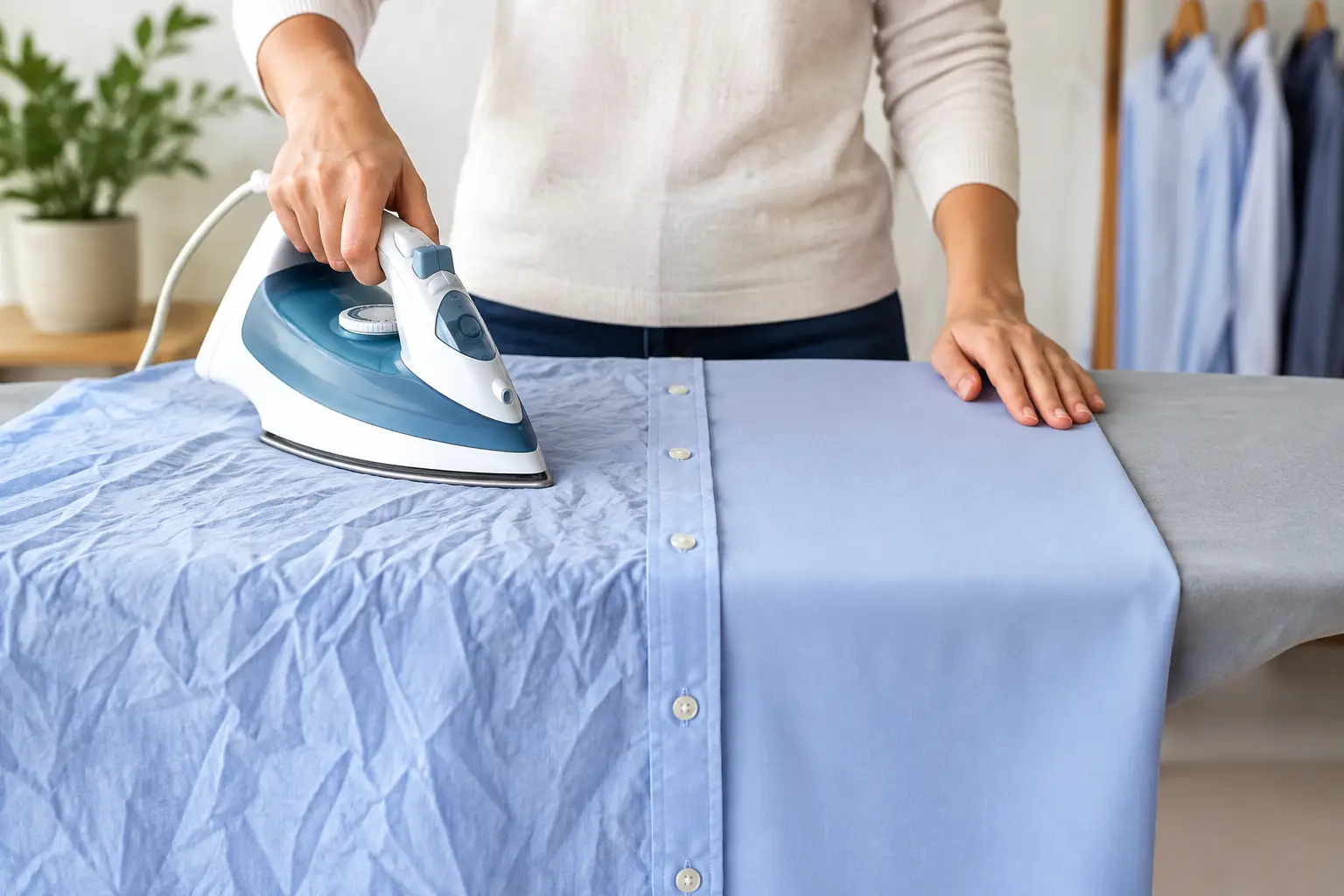
Pressing requires restraint too. Check the label for the recommended iron setting and use a pressing cloth between the iron and delicate fabric. Steam can be useful for easing creases from some garments, but too much moisture or heat may affect embellishments, coatings and glued details. When uncertain, test an inconspicuous area or leave the pressing to a professional.
Storage protects the work you have put into cleaning. Hang structured dresses, blouses and jackets on smooth, supportive hangers. Fold knitwear to prevent stretched shoulders. Keep delicate pieces clean before putting them away for a season, because unseen body oils, perfume and food residue can become harder to remove over time.
Avoid overcrowding the wardrobe. Clothes need space to keep their shape, and delicate surfaces are less likely to snag when hangers are not tightly packed together. For occasionwear, breathable garment covers can offer protection from dust without trapping moisture.
Build a routine that protects the clothes you wear most
The most effective delicate clothing care methods are repeatable: read the label, separate fabrics thoughtfully, act gently around stains and do not force a garment through a cleaning method that does not suit it. This approach is less about perfection and more about preventing avoidable damage.
Keep a small separate section of your laundry basket for items that need a second look. When you have a silk shirt for Monday, a wool knit for the weekend and a dress that cannot be risked before an event, you will know exactly what needs careful handling. A little planning keeps your wardrobe ready to wear - without turning garment care into another demanding task.
Rather not do the laundry at all?
We collect, wash, press and deliver it back to your door.
See our servicesKeep reading

9 Common Garment Care Mistakes to Stop Making
Discover 9 common garment care mistakes that can damage clothes, from poor sorting and excess detergent to high heat, bad ironing and incorrect storage.

Formal wear Cleaning Guide for Busy Londoners
Learn how to care for suits, evening dresses and occasion wear, including label checks, stain handling, professional cleaning, pressing and storage
Does Pressing Remove Wrinkles From Clothes?
Learn how pressing removes wrinkles, why some fabrics respond better than others and when steaming or professional pressing is the better choice.