9 Common Garment Care Mistakes to Stop Making
Discover 9 common garment care mistakes that can damage clothes, from poor sorting and excess detergent to high heat, bad ironing and incorrect storage.

Your favourite shirt does not usually wear out in one dramatic moment. More often, it slowly loses its shape, colour or finish through a handful of common garment care mistakes repeated between busy mornings, late commutes and overloaded weekends. A little more attention at the right point can help clothes look better for longer and prevent avoidable replacement costs.
For many London households, the problem is not a lack of care. It is lack of time. When laundry is another task squeezed between work, family plans and travel, it is easy to wash everything together, ignore a care label or leave a clean load in the machine overnight. Here is what to watch for, and when it makes sense to hand more demanding items to a professional.
Common garment care mistakes that shorten clothing life
1. Treating every item as everyday laundry
A cotton T-shirt, a wool jumper, a tailored blazer and a silk blouse should not automatically receive the same treatment. Fabric, construction, dye and trims all affect how an item should be cleaned. Even clothes that look similar can have very different care requirements.
The care label is the best starting point. It may feel like a small detail, but it tells you whether a garment can be washed, should be dry cleaned, needs a gentle cycle or should be dried flat. Ignoring it can lead to shrinkage, colour transfer, misshapen knitwear or damage to delicate details.
If you are unsure about a special-occasion outfit, structured workwear or an item with embellishment, avoid guessing. Professional garment care is particularly useful when the fabric or finish makes home washing a risk.
2. Sorting by colour alone
Separating whites, lights and darks is helpful, but it is not the whole job. Heavy items such as jeans, towels and hoodies create friction that can wear down lighter fabrics. Delicate tops can snag on zips, hooks and rougher materials. A sports kit may also benefit from being washed separately from everyday clothes.
Sort by fabric weight and wash needs as well as colour. Keep delicates away from bulky loads, fasten zips, and turn printed or dark garments inside out where appropriate. These small habits reduce surface wear and help colours stay more even.
There is a trade-off, of course. Smaller loads can mean more washing cycles, so aim for sensible, properly sorted loads rather than running the machine for only a few pieces. The goal is to avoid putting incompatible fabrics through the same wash simply to save ten minutes.
3. Using too much detergent
More detergent does not mean cleaner clothing. In fact, excess product can leave residue in fibres, making towels feel stiff, dark clothes look dull and garments feel less fresh over time. It can also make rinsing less effective, particularly when a machine is tightly packed.
Follow the dosage guidance for your load size, water hardness and level of soiling. If clothes regularly come out with a soapy feel or a strong perfume that lingers after drying, try using less rather than more. For a stubborn mark, targeted treatment or professional cleaning is often a better approach than adding extra detergent to the whole wash.
4. Overloading the washing machine
When the laundry basket is full, it is tempting to force everything into one large load. But a packed drum prevents water and detergent from moving through fabrics properly. Clothes may come out poorly rinsed, still marked or heavily creased. Repeated overloading also increases rubbing between garments.
Leave enough space for items to move. This is especially worthwhile for bedding, towels and heavier clothing, which need room to wash and rinse properly. A large load is efficient only when it is within the machine's capacity.
5. Waiting too long to deal with stains
A coffee splash on a white shirt or a drop of sauce on a dress is easier to address when it is fresh. Once a stain dries or is exposed to heat, it can become more difficult to remove. Rubbing it vigorously is not the answer, either. That can spread the stain or damage the fabric surface.
Blot rather than scrub, and avoid heat until you know the mark has lifted. Be cautious with delicate fibres, coloured garments and unknown stains, as an unsuitable product can create fading or a larger patch. For items you value, point out the stain when booking a cleaning service so it can be assessed before treatment.
No cleaning method can promise to remove every stain, especially if it has set or altered the fabric. Acting promptly simply gives the garment a better chance.
6. Using heat as the default solution
High temperatures can be useful for certain wash loads, but they are not a universal fix for dirt or odour. Heat can shrink natural fibres, fade colours, set some stains and weaken elastic components in activewear or underwear. Tumble drying can also be hard on garments that would last longer when air dried.
Check the label before selecting a hot wash or dryer setting. Lower-temperature washing is often suitable for lightly worn everyday items, while heavier soiling may need a different approach. Knitwear commonly benefits from being dried flat, which helps it retain its shape rather than stretching under its own weight.
When time is tight, it is worth considering which pieces genuinely need home drying and which need careful professional handling. Saving an hour is not much help if a favourite jumper comes out two sizes smaller.
7. Leaving clean laundry in the machine
A finished wash cycle can easily be forgotten after an evening call or a busy school run. However, leaving damp clothes in the drum for too long can lead to a stale smell and extra creasing. Rewashing then becomes another unnecessary task.
Set a reminder if you know you will be occupied, and hang or dry the load soon after the cycle ends. If laundry frequently sits waiting because your schedule changes, collection and delivery can remove one more timing problem from the week.
8. Ironing without checking the fabric
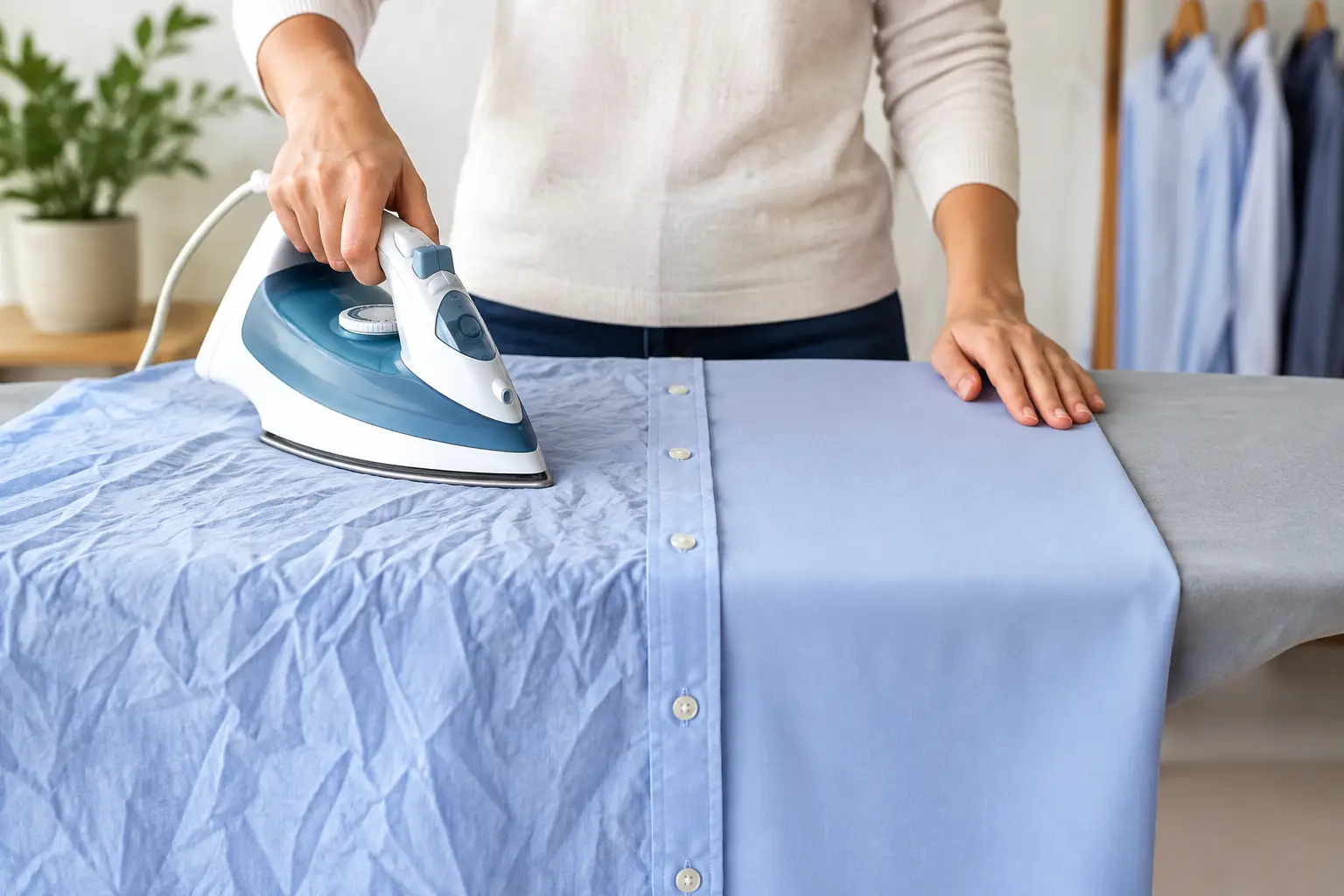
Ironing is often treated as the final step, but the wrong heat setting can leave shine marks, scorch delicate fibres or flatten textured fabrics. This is especially common with synthetics, wool blends, silk and garments with prints.
Start lower and increase the temperature only if the label allows it. Turning clothes inside out can help protect the visible surface, while a pressing cloth is useful for more delicate pieces. Structured items such as shirts, trousers and jackets also benefit from careful pressing because heat and pressure can alter their shape.
If ironing is the part of laundry you always postpone, it quickly becomes a pile that makes weekday dressing harder. A professional ironing service can be a practical option for workwear and household laundry when you want clothes returned ready to wear.
9. Storing clothes before they are fully dry or clean
Putting away a slightly damp shirt can create odour and encourage mildew in drawers or wardrobes. Storing clothes with food, fragrance or body-care marks can make those marks harder to tackle later. Seasonal items are particularly easy to forget, then rediscover months later with a stain that has settled in.
Before packing away coats, occasionwear or knitwear, make sure each item is clean and completely dry. Use breathable storage where possible, avoid cramming garments together, and fold knitwear rather than hanging it for long periods. Hangers are better suited to items designed to keep their shape on them, such as shirts and jackets.
Make garment care fit around your week
The most effective routine is the one you can realistically keep. For everyday items, a quick label check, sensible sorting and prompt drying go a long way. For delicate fabrics, formal clothing, stubborn marks or a growing ironing pile, professional care can save time while reducing the chance of a costly mistake.
LaundryZone makes this easier with scheduled collection and delivery for laundry, dry cleaning and ironing across Central London and selected surrounding areas. You can select the service, itemise your order and pay online, without adding a trip to a cleaning shop to your day. Eligible orders may be returned in as little as 24 hours, and postcode availability can be checked before booking.
Clothes work hard for you. Giving them the right wash, dry, press and storage routine is a simple way to keep getting more from the pieces you already enjoy wearing.
Rather not do the laundry at all?
We collect, wash, press and deliver it back to your door.
See our servicesKeep reading

Formal wear Cleaning Guide for Busy Londoners
Learn how to care for suits, evening dresses and occasion wear, including label checks, stain handling, professional cleaning, pressing and storage
Does Pressing Remove Wrinkles From Clothes?
Learn how pressing removes wrinkles, why some fabrics respond better than others and when steaming or professional pressing is the better choice.

Suit Refresh Methods That Save Your Week
Learn simple ways to refresh a suit between cleans, including airing, brushing, gentle steaming and knowing when professional care is the better choice.