Suit Refresh Methods That Save Your Week
Learn simple ways to refresh a suit between cleans, including airing, brushing, gentle steaming and knowing when professional care is the better choice.

A suit can look tired long before it is actually dirty. The giveaway is rarely a dramatic stain. It is the crushed lapel after a packed commute, a little dust around the shoulders, or the faint restaurant smell that has settled into the fabric. The right suit refresh methods can keep your workwear looking sharp between proper cleans, without overhandling a garment that needs careful treatment.
For busy weeks, the goal is not to wash or dry clean a suit after every wear. It is to deal with small signs of wear early, give the fabric time to recover, and recognise when home care has reached its limit.
Start with the label and the fabric
Before doing anything, check the care label. Many tailored suits are made from wool, wool blends, linen, silk or delicate mixed fibres. These materials respond differently to heat, moisture and friction. What works for a sturdy cotton blazer may leave a mark on a fine wool jacket.
A suit labelled dry clean only should not be put through a home wash cycle, even on a gentle setting. Water can affect the shape of the canvas, lining and structure around the shoulders and chest. Trousers may also shrink or lose their crease. A careful refresh is usually fine, but keep it light: no soaking, no harsh sprays and no vigorous rubbing.
If you are unsure what a mark is or how the fabric will react, leave it alone until it can be professionally assessed. Trying several products in quick succession often makes a small issue harder to treat.
Suit refresh methods for a polished look
Air it out before putting it away
The simplest step is often the most useful. After wearing your suit, take it out of its cover and hang the jacket on a broad, shaped hanger. Hang trousers by the waistband or use a clamp hanger with padded grips. Leave both in a well-ventilated room for a few hours before returning them to the wardrobe.
This helps moisture and everyday odours disperse, particularly after travelling on the Tube, sitting through long meetings or wearing the suit to dinner. Avoid placing it beside a radiator or in direct sunlight. High heat can dry fibres too quickly, fade colour and affect the suit’s shape.
Do not air a suit on a balcony or open windowsill where it may pick up pollution, damp or dust. A dry indoor space with gentle airflow is the better option.
Brush away surface dust and lint
A soft clothes brush is one of the most practical tools for regular suit care. Brush lightly from top to bottom, following the direction of the fabric. Pay attention to the shoulders, sleeves, lapels and the seat of the trousers, where dust and loose fibres can collect.
For pet hair or lint, a lint roller can be useful, but use it sparingly on delicate cloth. If the adhesive feels very strong, test it on an inconspicuous area first. Repeatedly pressing and pulling at wool can disturb the surface over time.
This small routine makes a noticeable difference to darker suits, especially navy, charcoal and black, which tend to show lint under office lighting.
Release creases with care
Steam can relax light creasing and revive the look of a suit, but it needs a gentle approach. The safest option is to hang the garment in a steamy bathroom while you shower, keeping it well away from splashes. For more targeted creases, use a garment steamer at a sensible distance and avoid pressing the nozzle directly onto the fabric.
Be especially cautious with trousers. A sharp crease is part of their tailored finish, and too much steam in the wrong place can soften it. If you need trousers to look crisp for an important meeting or event, professional pressing is usually the more reliable choice.
Never use a hot iron directly on an unprotected suit fabric unless the label specifically allows it and you know how to handle it. Shine marks, scorched fibres and flattened texture are difficult to reverse.
Treat small marks promptly, not aggressively
A fresh splash of water, coffee or food does not always need immediate heavy cleaning. First, blot gently with a clean white cloth. Do not rub, as this can push the mark deeper into the fibres or spread it across the fabric.
For a minor water-based spot, a slightly damp cloth may help lift residue, but avoid saturating the area. Let it dry naturally and check the result in daylight. Oily stains, makeup, ink and sauce are different matters. Home spot treatments can set these marks or leave a ring, particularly on wool and silk.
If the mark is visible, explain what caused it when arranging professional cleaning. That gives the garment-care team useful context and avoids guesswork.
Give each suit time to recover
One of the most effective refresh habits costs nothing: do not wear the same suit two days running when you can avoid it. Wool has natural resilience, but it needs time to release moisture and regain its shape after a full day of movement.
Rotating between two suits can reduce wear at the elbows, knees and seat, while keeping each one looking fresher for longer. If your wardrobe is limited, rotate the jacket and trousers separately where the colours and styles allow. A navy jacket with grey trousers, for example, can give both pieces a rest without making weekday dressing complicated.
When changing out of a suit, empty the pockets. Keys, receipts and a heavy mobile phone can pull at the fabric and distort the shape over time. Button the jacket properly on the hanger and straighten the lapels before leaving it to air.
Know when a refresh is not enough
Refreshing is ideal for light odours, lint, creases and everyday dust. It is not a substitute for cleaning when the suit has visible staining, absorbed perspiration, a persistent smell or a dull, grimy appearance around the collar, cuffs or waistband.
There is also a balance to strike with dry cleaning. Sending a suit in after every wear is unnecessary for most people and may add wear over the long term. Waiting too long can allow body oils and marks to settle in. The right timing depends on how often you wear it, the season, your commute and the fabric itself.
As a general rule, arrange professional care when the suit no longer feels restored after airing and brushing, or before an occasion where you need it to look its best. Ask for the jacket and trousers to be cleaned together where appropriate, so their colour and finish remain consistent.
Make suit care fit around your schedule
The best method is the one you will actually keep up. A five-minute reset after wearing a suit can prevent a pile of creased, dusty tailoring at the end of the week. Keep a shaped hanger, clothes brush and lint roller near your wardrobe, then make airing and brushing part of taking your shoes off.
For more involved care, collection and delivery can remove a job from an already busy diary. LaundryZone lets customers schedule garment care from home or a chosen location, itemise the order and pay online, with eligible orders available for 24-hour turnaround. Postcode availability should always be checked before booking.
A suit earns its place in your wardrobe by making you feel ready. Give it a little room to recover after each wear, deal with small problems early, and let professional care take over when the fabric needs more than a quick refresh.
Rather not do the laundry at all?
We collect, wash, press and deliver it back to your door.
See our servicesKeep reading

9 Common Garment Care Mistakes to Stop Making
Discover 9 common garment care mistakes that can damage clothes, from poor sorting and excess detergent to high heat, bad ironing and incorrect storage.

Formal wear Cleaning Guide for Busy Londoners
Learn how to care for suits, evening dresses and occasion wear, including label checks, stain handling, professional cleaning, pressing and storage
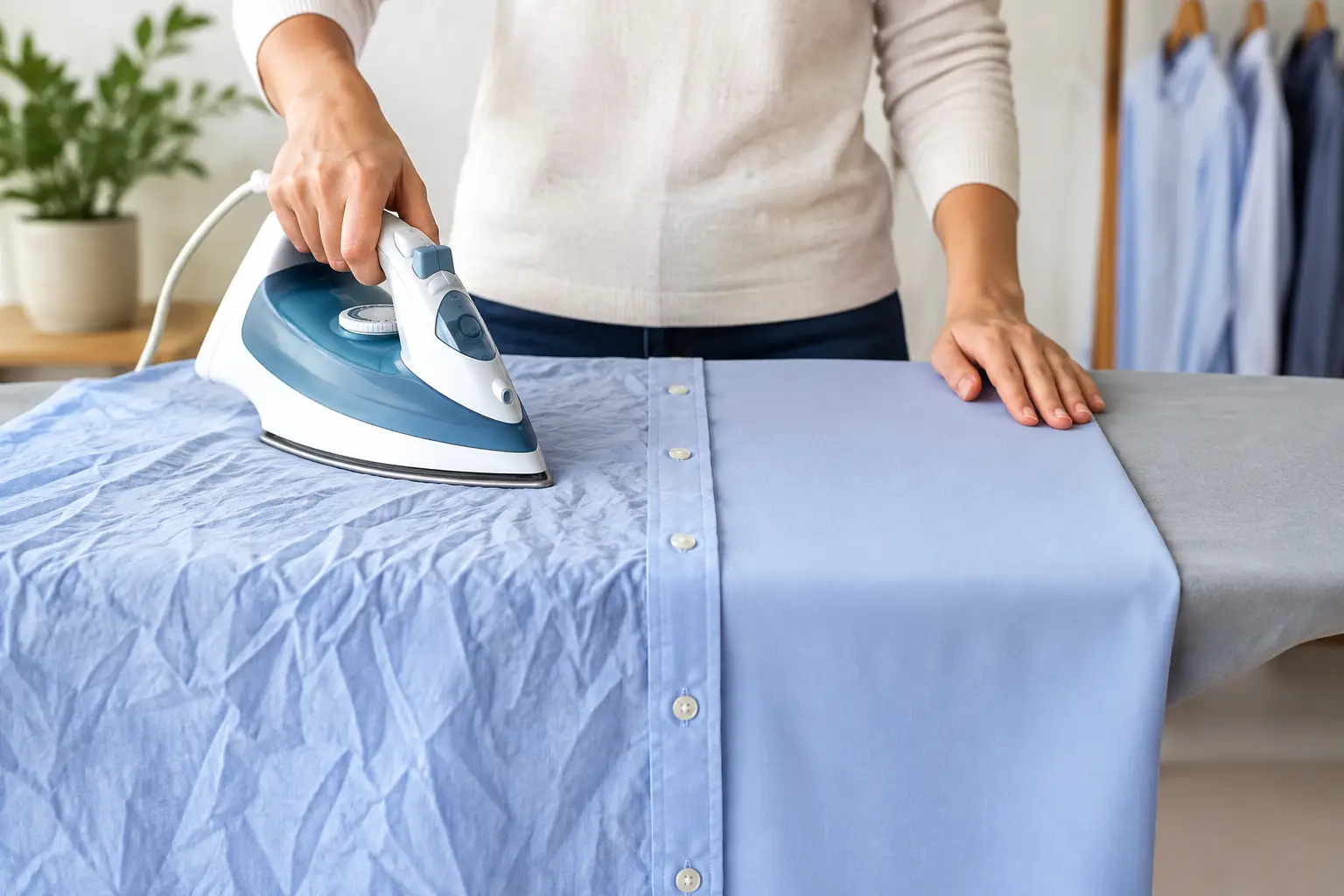
Does Pressing Remove Wrinkles From Clothes?
Learn how pressing removes wrinkles, why some fabrics respond better than others and when steaming or professional pressing is the better choice.