Does Pressing Remove Wrinkles From Clothes?
Learn how pressing removes wrinkles, why some fabrics respond better than others and when steaming or professional pressing is the better choice.
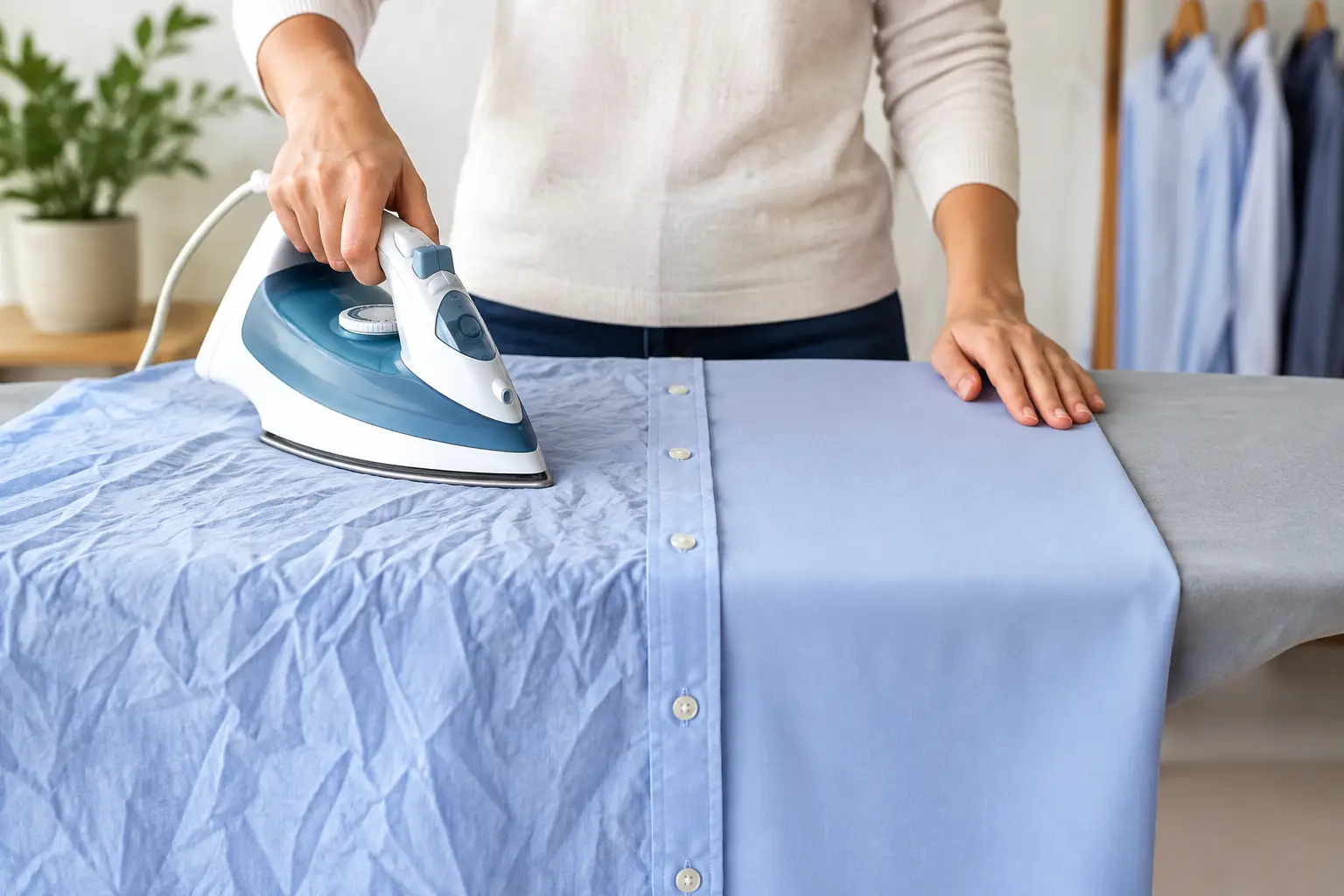
A shirt can look perfectly clean and still feel unfinished when the collar curls, the sleeves are creased or the front has fold lines from the laundry basket. So, does pressing remove wrinkles? Usually, yes. Pressing is one of the most effective ways to smooth creases, but the result depends on the fabric, the type of wrinkle and how carefully heat and moisture are used.
The key is not simply making the iron hotter. Good pressing relaxes fabric fibres and sets them flat without leaving shine, fresh creases or heat marks behind. That is why a quick pass over a shirt sometimes works brilliantly, while a stubborn linen dress or a delicate blouse needs a more considered approach.
Does pressing remove wrinkles completely?
Pressing can remove most everyday wrinkles from washable clothing, especially cotton shirts, trousers, school uniforms and many synthetic items. Heat loosens the fibres, while a little moisture from steam helps them release the shape they have taken on during washing, drying or storage. As the fabric cools in its new position, it holds a smoother finish.
But “completely” is not always realistic. Deep creases, permanent pleats that have been flattened, textured fabrics and garments that have been packed tightly for weeks may not return to a pristine finish with one press. Some materials are designed to retain a crumpled texture, while others can be harmed by too much heat.
Pressing is also different from simply sliding an iron back and forth. A proper press means placing the iron on one section of fabric, applying light pressure briefly, then lifting it away. This is particularly useful for seams, collars, cuffs, waistbands and tailored pieces, where dragging an iron can stretch the fabric or create unwanted lines.
Why some wrinkles come out easily and others do not
Wrinkles form when fibres bend and stay bent. Cotton and linen crease readily because their fibres hold the folds created by movement, spinning and drying. They respond well to heat and steam, but they often need more careful pressing than synthetic blends.
Polyester and other man-made fibres are often more wrinkle-resistant, yet they can be sensitive to high temperatures. A lower setting may smooth them effectively, whereas too much heat can leave shine or alter the surface of the fabric. Wool needs a different touch again. Steam can be useful, but direct pressure or a very hot iron may flatten its natural texture.
The age of the wrinkle matters too. A fresh crease from sitting on a train can often be eased with steam and a light press. A sharply folded line that has been repeatedly dried into a garment is more stubborn. In these cases, lightly dampening the area or using a pressing cloth may help, although the care label should always guide the method.
Heat, steam and pressure each have a job
An iron works best when its three main tools are used together in the right balance. Heat relaxes fibres. Steam adds moisture, helping them release set-in folds. Pressure smooths the fabric into place.
For a cotton shirt, moderate to high heat with steam is often effective. Start with the collar and cuffs, then work through the sleeves, shoulders and body. Avoid pressing directly over buttons, as they can crack or leave imprints on the fabric. Turn the shirt inside out for darker colours if you are concerned about surface shine.
For linen, steam is usually the difference between an acceptable result and a smooth one. Linen responds best when it is slightly damp rather than completely dry. It will still develop some natural creasing as you wear it, which is part of the fabric’s character rather than a sign that it has been poorly cared for.
Delicate materials such as silk, viscose and some synthetic blends call for lower heat and extra caution. Use a clean pressing cloth between the iron and the garment, and test an inconspicuous area first. If the label says not to iron, do not assume steam will always be safe either.
The most common reason pressing fails
The usual problem is trying to press fabric that is too dry, too creased or piled in a rush. When a garment is bunched on the board, the iron can set new wrinkles into it instead of removing the old ones. Take a moment to lay each section flat and follow the garment’s natural shape.
Another common mistake is pressing a dirty item. Heat can make some marks harder to treat, especially if the fabric has food, oil, deodorant or make-up on it. If you notice a stain, deal with it before ironing where possible, and follow the garment’s care instructions.
Overloading the wardrobe can undo a careful press in minutes. Shirts need enough hanging space for air to circulate and collars to keep their shape. Fold knitwear rather than hanging it, but avoid packing it so tightly that sharp fold lines form. If you are travelling, rolling softer garments can reduce hard creases compared with folding them into a compact square.
When steaming is better than pressing
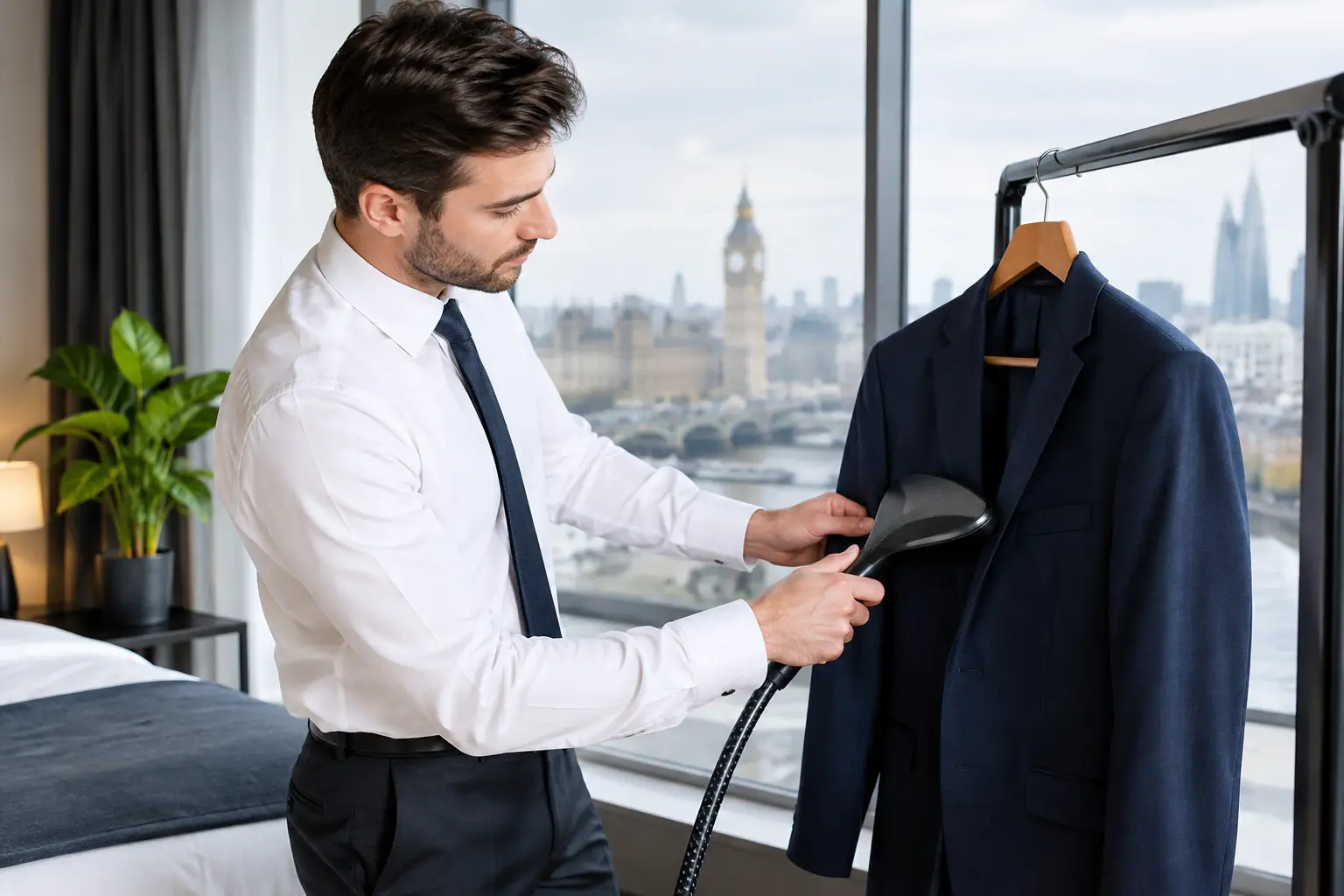
A garment steamer is useful for light wrinkles, awkward shapes and fabrics that do not like direct pressure. It is a practical choice for dresses, jackets, curtains and items that only need refreshing before you leave the house. Steam also works well when there is little time to set up an ironing board.
However, steaming does not always create the crisp finish people want from a formal shirt, tailored trousers or a sharply defined collar. It relaxes wrinkles rather than pressing a clean line into the fabric. For officewear, uniforms and occasion clothing, pressing usually delivers a neater, longer-lasting result.
It is also worth remembering that neither method replaces correct cleaning. If a garment has absorbed odour, picked up marks or feels dull from repeated wear, smoothing it alone may make it look better temporarily without properly caring for the item.
A safer way to press clothes at home
Start with the care label and sort items by the heat they can tolerate. Begin with lower-temperature fabrics, then move up to cotton and linen once the iron is hotter. This avoids waiting for the iron to cool down and reduces the chance of accidentally using too much heat on a delicate piece.
Keep the soleplate clean, use a sturdy board and make sure the garment is fully supported. For dark fabrics, wool, silk, embellished clothing and anything with a delicate finish, a pressing cloth adds a useful layer of protection. Press seams from the reverse where possible, and let each section cool flat before moving or folding it.
For trousers, take particular care around pockets, seams and the waistband. Pressing over bulky pocket linings can create visible outlines on the outside. Turning pockets out first and placing a cloth inside the trouser leg helps keep the finish smooth.
When professional pressing makes more sense
There is a point where pressing stops being a five-minute task and becomes another chore waiting at the end of a long day. Large weekly loads, work shirts, bedding, formalwear and delicate garments all take time to handle properly. They also need consistent heat settings, clean equipment and enough space to cool and store them without creating fresh creases.
Professional garment care can be especially helpful before an important meeting, a wedding, a business trip or a busy week when the wardrobe needs to be ready without taking over your evening. It is not about treating every T-shirt as precious. It is about giving the items you rely on a properly finished look while keeping your time free.
LaundryZone offers collection and delivery for customers in Central London and selected surrounding areas, so you can arrange laundry, dry cleaning or ironing without adding a shop visit to your schedule. Check postcode availability and choose the service that suits the garments in your order.
A well-pressed garment should make getting dressed feel easier. Whether you handle a few pieces at home or pass on the weekly ironing pile, the best approach is the one that keeps your clothes looking cared for without making your day harder.
Rather not do the laundry at all?
We collect, wash, press and deliver it back to your door.
See our servicesKeep reading

9 Common Garment Care Mistakes to Stop Making
Discover 9 common garment care mistakes that can damage clothes, from poor sorting and excess detergent to high heat, bad ironing and incorrect storage.
Formal wear Cleaning Guide for Busy Londoners
Learn how to care for suits, evening dresses and occasion wear, including label checks, stain handling, professional cleaning, pressing and storage

Suit Refresh Methods That Save Your Week
Learn simple ways to refresh a suit between cleans, including airing, brushing, gentle steaming and knowing when professional care is the better choice.