How to Sort Clothes Before Cleaning Properly
Learn how to sort clothes before cleaning by care label, colour, fabric and stains so each garment gets the right treatment at home or before collection.
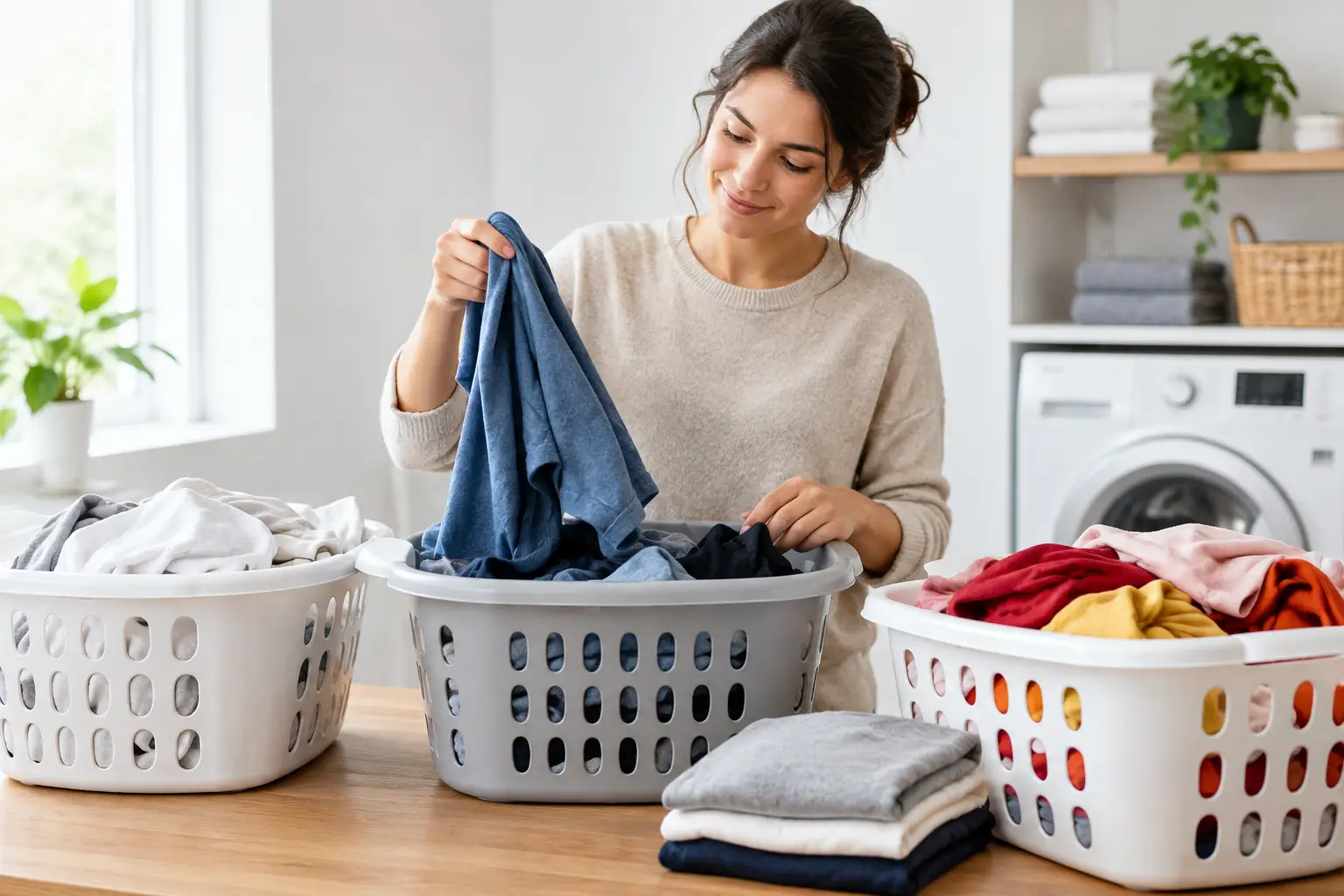
A white shirt picked up with a new red sock can create a frustrating surprise. A wool jumper placed in with everyday wash-and-fold items may need different care altogether. Taking a few minutes to sort clothes before cleaning gives each piece the attention it needs and makes the whole process easier, whether you are doing a load at home or booking a professional collection.
For busy households, sorting does not need to mean building five piles across the bedroom floor. A simple, repeatable routine is enough. The aim is to separate clothes by the things that genuinely affect how they should be cleaned: colour, fabric, care label, level of dirt and any special treatment needs.
Why sorting clothes before cleaning is worth it
Sorting is not just about avoiding colour transfer. It also helps prevent rougher items from rubbing against delicate fabrics, keeps heavily soiled pieces away from lightly worn clothes and makes it easier to spot garments that should not go into a standard wash.
Think about the clothes you wear during a typical London week. Gym kit, work shirts, dark denim, children’s school uniform, bedding and a silk blouse may all end up in the same laundry basket. They may look like one job, but they do not necessarily need the same cleaning method. Separating them before collection or washing reduces guesswork later.
It also makes itemising a professional order more accurate. When you can see exactly what you have - shirts in one group, dry-clean-only pieces in another, household items separately - choosing the right service takes far less time.
Start with the care label
The care label is the best place to begin, especially with a garment you have not cleaned before. It tells you whether an item can be machine washed, needs hand washing, should be dry cleaned or has limits around heat and tumble drying.
Make a small pile for anything labelled dry clean only, as well as clothes with a delicate fabric or detailed finish. This can include suits, tailored jackets, occasionwear, silk, cashmere, wool blends and garments with sequins, beading or structured linings. A label is not a guarantee that every mark will lift, but it is a valuable guide to the safest care route for the garment.
If the label is missing, pause before treating the item like an ordinary cotton T-shirt. Consider the material, construction and value of the piece. When you are unsure, separating it for professional assessment is usually the more cautious choice.
Keep special-care items out of the general pile
It helps to have a designated bag or basket for clothes that need particular attention. This avoids a delicate item being accidentally added to a larger everyday load when someone is in a rush.
Before handing over a professional cleaning order, point out any special concerns, such as a visible stain, a loose button or an area that needs extra care. Clear information helps the garment be assessed appropriately. Avoid leaving tissues, receipts, keys or lip balm in pockets, as these can cause problems during cleaning.
Sort by colour, but keep the system realistic
Colour sorting matters most for new, dark or strongly dyed items. Reds, deep blues, blacks and bright colours can release dye, particularly in early washes. Whites and very pale garments are more likely to show the result.
For an easy system, create three groups: whites and very light colours, dark colours, and bright or potentially colour-bleeding items. This is practical for most households and avoids overcomplicating a basic task.
If an item is brand new and intensely coloured, washing it separately for the first time may be sensible if you are cleaning it at home. With mixed-pattern garments, use the dominant colour as a starting point, but check the care label as well. A cream-and-navy striped top, for example, may still need gentler treatment than a dark cotton T-shirt.
Colour is only one factor. A black lace top and black jeans belong in the same colour group, but they should not automatically receive the same cleaning treatment. Fabric and construction still come first.
Separate by fabric and how the item is made
Heavy fabrics can be rough on lighter ones. Denim, towels, hoodies and garments with zips can create friction against fine knitwear, lingerie or thin jersey. Sorting by texture and weight helps prevent unnecessary wear.
Keep towels, bedding and heavier cottons together where suitable. Put delicate pieces in a separate group, particularly anything made with lace, fine knit, satin, silk or mesh. Fasten zips, hooks and buttons where practical, and turn printed tops, dark denim and embellished garments inside out if they are being machine washed. These small steps can help reduce surface rubbing.
Wool deserves its own decision rather than automatically joining the delicates pile. Some wool items are washable, while others require dry cleaning or specialist handling. The label should decide.
Do not forget the hidden details
A garment’s outer fabric does not always tell the full story. A blazer may have a lining that changes its care needs. A dress may look washable but contain boning, glued trims or delicate embroidery. A coat may have a removable belt, detachable faux-fur trim or leather detail.
Separate removable accessories where the label permits, and mention them when placing a cleaning order. If an item has damage, such as a loose hem or broken zip, avoid assuming cleaning will fix it. It is better to flag the issue before the item is processed.
Make a separate pile for stains and heavily soiled clothes
Not every stain needs the same response. Coffee on a work shirt, makeup on a collar, grass on children’s trousers and oil on a favourite top can all behave differently. The most useful thing is to identify the mark and avoid setting it with heat or an unsuitable product.
Put stained or heavily soiled items aside instead of burying them in a full laundry bag. When booking professional cleaning, make a note of the stain and, if you know it, what caused it. This gives the cleaner useful context. Do not rub a stain aggressively, as that can push it further into fibres or affect the fabric’s finish.
Be realistic about expectations. Some marks, older stains and delicate materials can be difficult to treat, and results depend on the fabric, the stain and how long it has been there. Early attention is generally preferable to leaving an item at the bottom of the basket for weeks.
Prepare your clothes for collection in minutes
If you use a collection service, sorting beforehand is mainly about clarity, not creating a perfect laundry-room system. A quick check before pickup can save time and help ensure your order reflects what you need.
Start by emptying every pocket. Then separate laundry items from dry-clean-only garments and any pieces that need ironing or stain attention. Count or group similar items where it is helpful, such as shirts, trousers and dresses, so itemisation feels straightforward.
LaundryZone customers can select a service, itemise their order and pay online before arranging collection from home or another suitable location. For customers in Central London and selected surrounding areas, postcode availability should be checked when booking. If your schedule is tight, preparing a labelled bag the evening before pickup keeps the handover simple.
You do not need to pre-wash clothes before sending them for professional care. Just keep different service needs clear, remove personal belongings and share any relevant garment notes. That is usually enough to give your order a tidy, organised start.
A sorting routine you will actually keep using
The best sorting method is one that fits your home. In a compact flat, two bags may be more realistic than several separate hampers: one for everyday washable clothes and one for delicates, dry cleaning and special-care pieces. Add a small stain pouch or clip a note to any item needing attention.
Families may find that sorting by person first is useful, then separating special-care items at the point of cleaning. Professionals who wear shirts or tailoring regularly may prefer a dedicated bag for workwear, ready for collection when it is full enough. There is no single perfect system - consistency matters more than complexity.
A final sixty-second check can protect the clothes you rely on most: read the unfamiliar label, check the pockets, separate the bright new item and set aside anything delicate or stained. That small pause turns cleaning from a rushed chore into proper care for the clothes that carry you through the week.
Rather not do the laundry at all?
We collect, wash, press and deliver it back to your door.
See our servicesKeep reading

9 Common Garment Care Mistakes to Stop Making
Discover 9 common garment care mistakes that can damage clothes, from poor sorting and excess detergent to high heat, bad ironing and incorrect storage.

Formal wear Cleaning Guide for Busy Londoners
Learn how to care for suits, evening dresses and occasion wear, including label checks, stain handling, professional cleaning, pressing and storage
Does Pressing Remove Wrinkles From Clothes?
Learn how pressing removes wrinkles, why some fabrics respond better than others and when steaming or professional pressing is the better choice.